Shade gardens in Florida present unique opportunities, and challenges.
The hot Florida sun, sandy soils, and seasonal moisture swings demand thoughtful planning. With decades of local experience, Siesta Key Landscaping specializes in Expert Landscaping Services for Siesta Key & Sarasota residents.
Here are 10 proven secrets to design, plant, and maintain a thriving shade garden that remains vibrant year-round.
1) Map Your Shade Daily and Seasonally
- Understand how shade changes through the day and across seasons.
- Aim for areas with dappled or partial sun (roughly 2–4 hours of filtered sun daily).
- Action steps: observe at different times, note sun patterns, and adjust plant placement accordingly.
- Why it matters: proper sun exposure protects shade-loving plants from scorch and keeps colors vibrant.
Tip for Siesta Key yards: Coastal conditions can shift with storms and sea breezes. A quick, seasonal map helps you position new plantings where they’ll thrive even when light shifts.
2) Choose Florida-Tough Plants
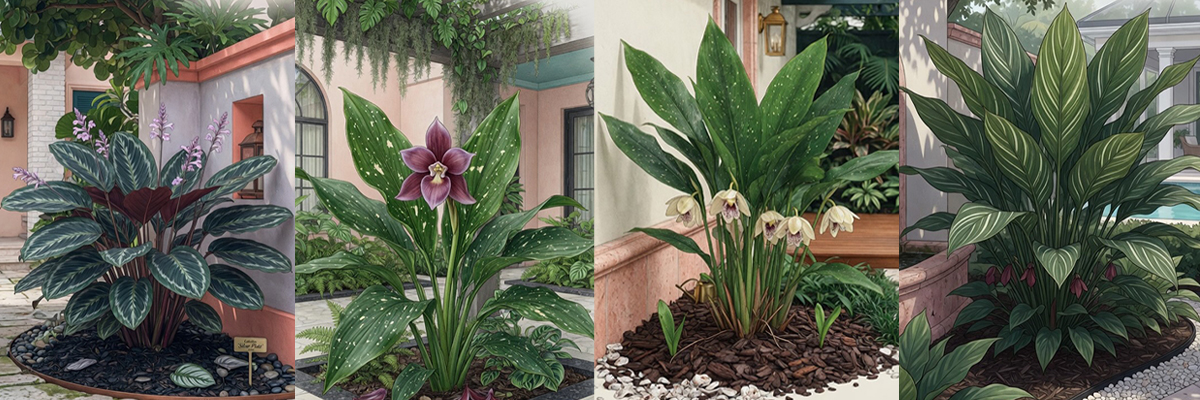
- Ideal performers for shade in our climate: caladiums, begonias, gingers, bromeliads, ferns, ti plants, firespike, beautyberry, and Persian shield.
- How to pick: mix foliage with bold color, interesting textures, and varying heights.
- Local benefit: these plants tolerate heat, humidity, and sandy soils when given light shade and proper moisture.
Siesta Key Landscaping tip: Combine accent foliage (Persian shield, variegated caladiums) with flowering natives for seasonal interest.
3) Amend Sandy Soil with Compost
- Sandy Florida soil drains quickly but lacks nutrients.
- Add a generous layer of compost to improve structure, water retention, and microbial life.
- Note: avoid heavy clay-like compaction near established tree roots.
What this means for you: richer root zones help shade plants establish faster and reduce irrigation needs.
4) Mulch 2–3 Inches Lightly
- Use light organic mulch (cypress, pine, or shredded hardwood) to retain moisture and cool roots.
- Benefits: moderates soil temperature, reduces weeds, and preserves soil health.
- Application: keep mulch a few inches away from stem bases to prevent rot.
Shade-garden win: mulch improves moisture efficiency in hot months and extends root life.
5) Layer Tall, Mid, and Groundcover Plants
- Create depth by layering: tall plants at the back, mid-height specimens in the middle, and groundcovers or low ferns at the front.
- Texture variety: pair silky ferns with bold-leaved caladiums or variegated foliage.
- Design idea: layered planting reduces bare soil and creates year-round interest.
Siesta Key Landscaping tip: Layering your textures also helps to diffuse light and protect delicate understory plants.
6) Water Deeply but Infrequently (Drip in Root Zones)
- Watering rule of thumb: deep, thorough irrigation less often, rather than light daily watering.
- Technique: install a drip irrigation line at plant roots to target moisture where it’s needed most.
- Seasonal adjustment: increase slightly during hottest months, then taper as rains resume.
For coastal landscapes: efficient irrigation reduces runoff and protects shallow-rooted natives.
7) Brighten with Variegated and Pale Foliage
- Light-colored or variegated leaves reflect light and brighten shaded spaces.
- Pair with pale mulch or light-toned stones to maximize brightness.
- Plant suggestions: variegated caladiums, pale leaf ferns, and light-toned bromeliads.
Pro tip: Bright foliage helps mask other garden imperfections while keeping the space cheerful.
8) Selectively Thin Tree Canopies for Dappled Light
- Some shade comes from trees; selective thinning lets in more dappled light without sacrificing canopy cover.
- Focus on removing small, crowded branches rather than heavy clear-cutting.
- Benefit: improved light distribution supports understory plants and healthier shrubs.
Note for homeowners: If you’re unsure, a certified landscaper can balance canopy thinning with tree health.
9) Use Native Plants for Resilience
- Florida natives like wild coffee, cardinal flower, and ferns thrive in local conditions and support pollinators.
- Benefits: drought tolerance, pest resilience, and reduced maintenance.
- Pair natives with well-adapted non-natives for a dynamic, seasonally varied garden.
Local wisdom: natives often require less fertilizer and fewer water adjustments over time.
10) Ensure Airflow, Light Shifts, and Gentle Feeding
- Airflow helps prevent fungal issues in humid Florida months.
- Monitor seasonal light shifts and adjust plant positions as the canopy grows or shifts.
- Fertilize lightly to avoid lush, overly tender growth that’s susceptible to pests and disease.
- Routine checks: look for signs of mildew, leaf spot, or unusual wilting, and respond promptly.
In short: balanced air circulation, light feeding, and adaptive maintenance keep shade gardens healthy year-round.
Why Siesta Key Landscaping: Expert Landscaping Services in Siesta Key & Sarasota
- Local expertise: We understand the Florida sun, sandy soils, and humidity patterns that affect shade gardens here.
- Sustainable design: we prioritize native and drought-tolerant plantings with efficient irrigation.
- Customized plans: from soil prep to mulch choices and planting palettes, we tailor designs to your site.
- Ongoing care: maintenance plans that match your pace and budget, ensuring long-term beauty and resilience.
If you want a shade garden that thrives in the Siesta Key and Sarasota climate, our Expert Landscaping Services are designed for you.
How to Get Started
- Schedule a complimentary consultation with Siesta Key Landscaping.
- We’ll assess sun patterns, soil conditions, and microclimates in your yard.
- You’ll receive a tailored plan featuring plant recommendations, planting layouts, and irrigation strategies.
Contact us today to bring these 10 shade-garden secrets to life in your yard.


Terms & Conditions
Subscribe
Report
My comments